A serial moves from the monitor into a hand
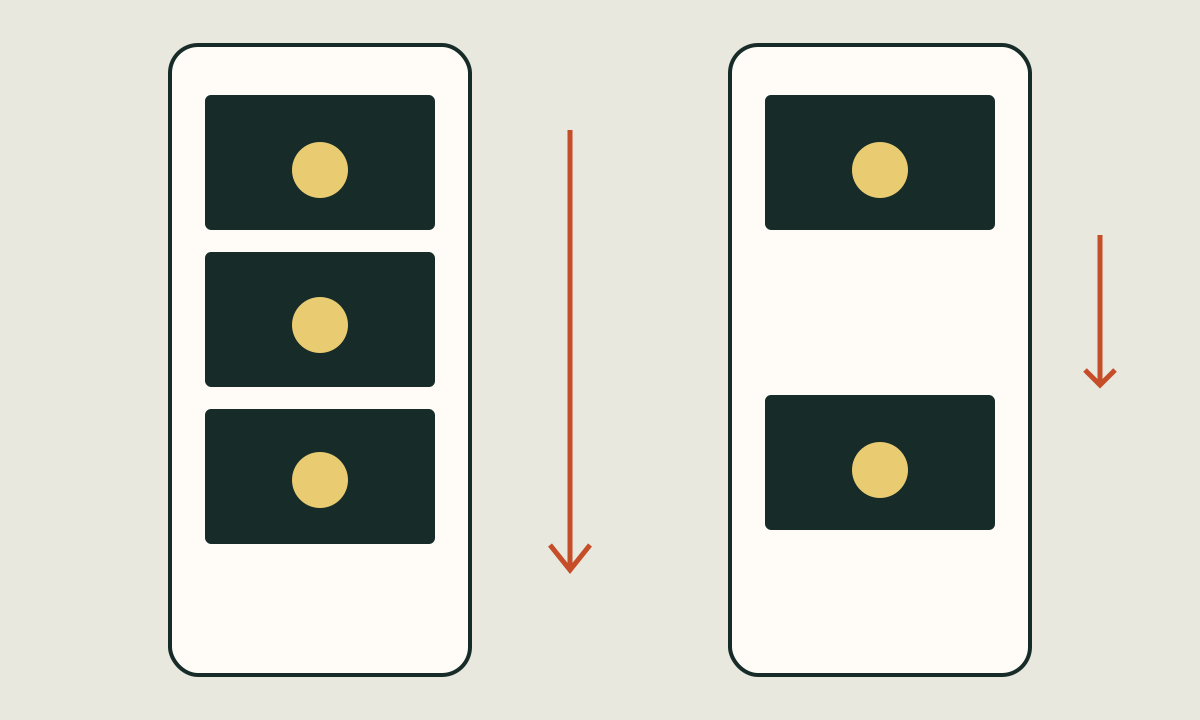
A face is waiting below the edge of the screen. A reader has seen the question, but not the person who will answer. One more movement of the thumb brings that person into view. The action resembles turning a comic-book page, yet the distance travelled by the hand changes how much of the next image appears. Around this small movement, Korean webcomics developed a much larger system of serial publication, translation and screen production.
The early web was not a phone screen. Scanned pages, short episodes of daily life and sustained vertical narratives offered different ways to place comics online. Readers could visit an address to see whether a new instalment had arrived, rather than acquire a complete book before starting. The location of the comic changed, together with the habit of waiting for it.
Kwon Yoon-joo’s SnowCat began in 1998; Jung Chul-yeon’s Marine Blues followed in 2001. Kang Full’s Love Story ran on Daum in 2003–2004. These dated works, recorded in Korea Foundation’s Koreana, place short everyday incidents alongside longer relationships. They supplied different reasons to return: a fresh joke, or the next development in a continuing story.
A joke ends; a relationship continues
An episodic comedy needs its situation to register quickly. Who has misunderstood what? Where does the outcome depart from the expectation? Those differences must become visible within a manageable stretch of reading. In a long serial, information from an earlier episode changes what a new image means. A familiar face can carry a different charge because the reader remembers what it said before.
Cho Seok’s The Sound of Your Heart was serialized from 2006 to 2020. Accumulating instalments also creates different routes through one work. A newcomer starts from an introduction or an early episode. An established reader looks for the newest update. A cover and description greet the first reader; an episode list helps the second continue. The drawings and the arrangement through which they are found operate together.
Consider a fictional chase invented for this article. Its first instalment ends as someone knocks on a door. The next needs to show who answers and what the visitor says. Including every movement before the knock would lengthen the episode, but it would also leave more images to finish before publication. Episode length, the quantity of information and the stopping point are therefore connected decisions. For the reader, the boundary holds a question. For the maker, it defines the next unit of work.
Several jobs meet in one episode
Production begins by ordering events and laying out rough images. Figures and balloons are placed, lines are resolved, and colour is added. WEBTOON’s creator handbook distinguishes thumbnailing, line work, colouring, lettering and finishing effects. A small decision early on can send work back through several stages: enlarging a balloon may require moving a face, and moving the face may require redrawing a doorframe.
Continue the fictional doorway conversation. The visitor stands in the corridor; the other person remains inside. Repeating equally sized close-ups could deliver the words while flattening the room. A wider image establishes their separation. A hand holding the door shows an action continuing during the exchange. Different eyelines clarify who is looking into whose space. Objects and bodies can carry information that a succession of facial expressions would otherwise have to explain.
Now give the corridor dim light and the room a brighter source. If a later image reverses the positions, the light still has to make sense. Faces must remain recognizable, and balloons must remain readable against the background. A longer episode increases the number of these connections. When collaborators divide the work, changes in positions, props or colour also need to reach the people handling subsequent stages.
Uploading brings another reading. On a phone, lettering may have become too small, or two adjacent images may no longer join smoothly. In 2021, WEBTOON announced automatic slicing of long CANVAS images. Several delivered files can still appear as a single episode. An intentional pause between drawings must not accidentally become a much larger gap where files meet.
The same title enters another language
WEBTOON launched English and Chinese services in 2014. An overseas publishing channel supplied a place for comics to appear; readable editions still had to be prepared for it. Comic dialogue already occupies a shape inside an image, so translation and visual layout meet at every balloon.
Suppose a short Korean address combines a name and a professional title. Its explanation in another language may require more characters. Shrinking the lettering can fit it inside the balloon while making the phone edition hard to read. Enlarging the balloon can hide a hand or interrupt a look. Concise phrasing, line breaks and placement have to work together. A fluent sentence and a legible image are part of the same finished edition.
The Japanese edition of Yoon Tae-ho’s Misaeng credits Ayako Furukawa and Kim Seungbok for translation. The Japan Media Arts Festival records their names alongside the creator’s. Between the Korean office story and a reader of the Japanese edition are identifiable people carrying speech and forms of address into another language. The broad phrase “going abroad” contains this concrete editorial labour.
An adaptation can add a person
Moving into drama gives drawings bodies and voices. It also assigns durations to information that a comic reader previously uncovered by scrolling. The length of a look, the silence after a sentence and the cut to another room become decisions inside the film. Including the original events is only one part of building a scene.
In 2019, Netflix introduced Seo Yi-gyeong (Lee Si-young) as a new character for Sweet Home. That is a more substantial intervention than casting an actor to resemble a drawn figure: the population of the story was reworked for its new production.
Adding a character changes who can exchange words, undertake an action or possess information within a room. Work concentrated on one figure can be distributed between several bodies and voices. Those possibilities help explain why adapting a comic involves composing scenes again. A source world supplies material, while the new production must decide how its own people inhabit it.
Moving acquires sound and colour
Kang Full wrote the screenplay for the screen version of Moving. Dexter Studios reported contributing visual effects and colour work, with subsidiary Livetone handling sound. Powers represented in drawings had to be experienced through a combination of filmed bodies, constructed images and audible movement.
Livetone added high-frequency sound to electrical combat. Light can now reach the viewer alongside a sharp acoustic sensation. The basic sound-design problem is precise: an effect that continues too long can cover dialogue; one arriving before a movement can sound like an announcement of something else. Its volume, length and entrance all contribute to the shape of the scene.
Past scenes received muted colours. Visual effects can make a body appear to fly; colour grading can organize separately filmed images into a coherent time and place. Sound adds distance and force that the image alone cannot deliver. Completing the scene means bringing these jobs into agreement, rather than simply reproducing the outlines of its source panels.
There is still a reason to return to the comic
A familiar story becomes unfamiliar in small ways when its original comic is opened after a drama. Lettering occupies the place where an actor’s voice was heard. A hand moves the image where a camera once moved through a set. The events may already be known, but the reader again decides where to stop.
Treating webtoons only as preparation for television misses work that was already complete: lines, colour, balloons and gaps directing a particular reading. Translation and screen production place other editions beside that first experience. The value of a story includes how convincingly each version invites people to read or watch it, not just how many formats carry its title.
The webtoon reference follows the making of a vertical scene in more detail. More than one doorway into Korean culture traces interest as it travels into other works and forms. A webtoon’s next chapter begins, before the industry announcement, just below the edge of the screen.
Treating webtoons only as preparation for television misses work that was already complete: lines, colour, balloons and gaps directing a particular reading. Translation and screen production place other editions beside that first experience. The value of a story includes how convincingly each version invites people to read or watch it, not just how many formats carry its title.
Sources & scope
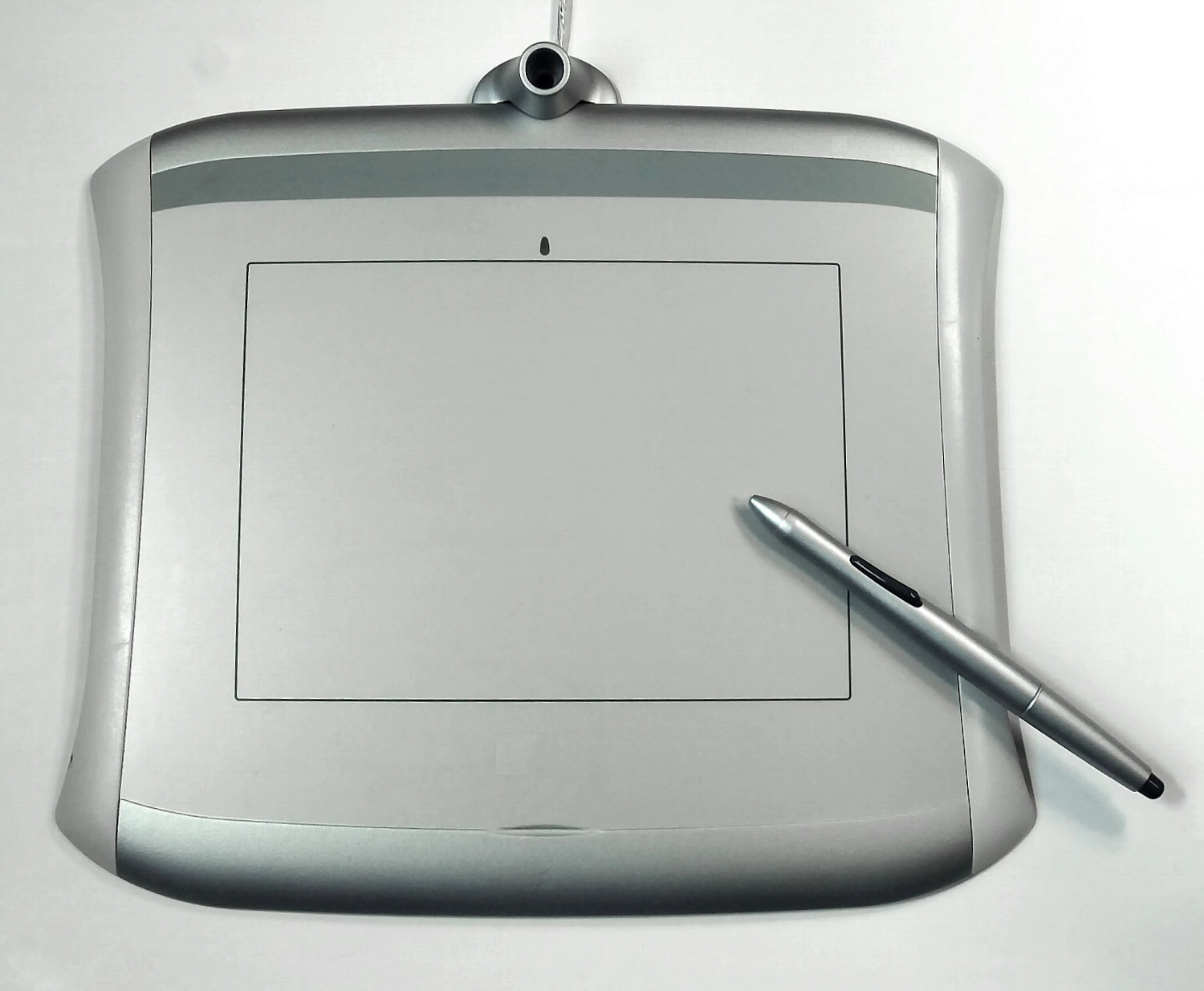
WEBTOON Creator Resource Handbook ↗Automatic long-image slicing announcement ↗2021-05-18Misaeng official award record ↗Early webtoon works and serial dates ↗2021 SPRINGSweet Home production and original character ↗2019-12-18Moving visual effects, colour and sound work ↗2023-11-082014 English and Chinese service launch ↗2024-07-22A pen tablet and stylus, March 2005. Photograph by Kropsoq; colour adjustment by Hohum in 2024.
Kropsoq; colour adjustment Hohum · CC BY-SA 3.0 · Hohum’s 2024 colour-adjusted image resized and converted to WebP; no croppingUpdates & corrections
Dates record changes to this document, separately from the reference dates of its sources.
- Content update
Rewrote the article with fuller production, history, examples and source explanations.
- First published
Created Korean and English documents from verified sources.