A dressing table that fits inside a bag
Imagine two ordinary preparations for leaving home. With a pump bottle, a person dispenses liquid, brings a separate tool to it, checks a mirror and puts the objects away. A cushion compact arranges the sequence differently. Lift the case, open the inner lid, pick up the puff, press, apply and close. Several objects that occupied a dressing table now have designated places inside one object.
That rearrangement helps explain Korean cosmetics abroad more precisely than an ingredient trend alone. A screen can introduce a face or a brand. The object eventually picked up in a shop has to offer its own usable arrangement. The compact is both a container and a small delivery mechanism: liquid stays within a sponge while a puff takes some away through pressure.
Dispensing from a pump and pressing a broad surface are distinct movements. One releases a dose outside the bottle; the other collects it from material retained inside the case. Liquid viscosity, sponge structure and applicator surface meet at that contact. Convenience comes partly from coordinating things that otherwise require separate hands, surfaces and storage spaces.
The product of 2008, and a changing surface
Amorepacific dates IOPE Air Cushion’s launch to 2008.Company chronology The useful historical change here is the relocation of a familiar activity. A closed case could carry part of a dressing-table arrangement into a handbag and be opened elsewhere without assembling the bottle and tool again.
The amount of liquid left inside and the amount a puff picks up are different questions. Someone may press a centre, try an edge or use several lighter touches. Contact area and pressure participate in the action. A product can therefore change internally while keeping the same familiar external category.
In 2016 the company described a three-dimensional sponge structure.Technology chronology A flat surface and a contoured surface meet the puff differently. This is a concrete design change beneath the package, rather than merely a new colour on the lid. The user encounters it through a hand movement, without needing to know the designer’s name.
The portable arrangement also contains more parts than a bottle alone: a mirror, outer case, inner container and lid, and puff. Having the tool immediately available means carrying those parts together. Formula performance and the usefulness of the portable assembly remain separate judgements.
A refill reveals the small engineering
Replacing the contents while retaining the case requires a compatible fit. Two round containers need not share a fastening system. Edges and grooves have to connect securely during use but still allow separation when the contents are replaced.
IOPE Air Cushion Cover: Remove anticlockwise, align the groove, lock clockwise; the previous fourth-generation refill is incompatible. Even a small groove can distinguish product generations. “Refill” describes a relationship between parts, not simply another purchase of liquid.
Consider a hypothetical traveller finding a familiar brand abroad. A refill bearing that brand may still differ from the case at home. The seller needs a model description, and the buyer needs to recognise the existing object. Compatibility information beneath a translated product name completes an otherwise attractive convenience.
To me, a case that can obtain a fitting refill years later offers a more useful form of confidence than another limited-edition exterior. The pleasure of buying a new object and the ease of buying its replacement are different experiences. A reusable case provides a choice only while the replacement remains available and fits.
What is folded inside one mask packet
A sheet mask organises use in another direction. A folded sheet with facial openings and liquid is held inside a flat packet. Opening it involves finding an edge, separating folds, identifying the orientation and positioning the sheet. A predefined unit replaces the action of measuring something from a bottle.
At unfolding, the material and cut become visible. An opening or a pulling edge may require repositioning. Wet folds can stick together, making the user locate a corner with both hands. Faces vary while a packaged sheet has a set shape. How that shape accommodates variation is an observable design question, separate from claims about a formula’s effects.
The packet does work as well. A tear point, sealed edges and printed faces establish where it stays closed and where it opens. The wet interior and the surface handled in transit need a boundary. A thin package lets a liquid and folded material be sold together as one manageable unit.
After use, the sheet and packet remain. A multipack may leave an outer box too. What was easy to display or carry becomes several objects to dispose of. The final movement belongs in the same account of convenience as the first opening.
Bulk becomes a bottle
Contents and packaging take different paths before meeting. COSMAX’s 2024 report separates bulk manufacture, filling and packaging, and warehouse transfer.Manufacturing stages Bulk is material before it is divided into the small units a customer handles.
A general production example makes the distinction tangible. A narrow bottle requires alignment with a filling nozzle. A wide container creates a different space between the filled surface and lid. A cushion also needs its inner container and sponge arrangement to work together. Product shape influences the movements of production equipment.
Closing, checking the assembly, matching product information and packing counted units into cartons follow filling. The shop sells a single bottle; a warehouse moves cartons containing many.
Product information travels alongside the contents. A replacement and a complete compact must remain distinct on the label, order screen and warehouse list. Translating a name without preserving those distinctions can leave a customer expecting one object while another is picked. Making a cosmetic and making its sale information are separate jobs following the same product.
Technology and stock cross borders
In 2015 Amorepacific announced a cushion-technology MOU with Dior.Announcement Exporting a Korean-branded finished product and offering a product technology to another brand are different routes. The announcement shows design among the things that can travel across a border.
StyleKorean’s US site identifies warehouses in California and New Jersey.Distribution information Shipping every purchase from Korea and sending from stock already held abroad place the waiting goods in different locations. An online button ultimately needs a physical carton somewhere behind it.
Imagine an order for a complete compact and a matching refill. The warehouse must locate two items, distinguish similar names, check quantities and pack them for transport. If one is absent, fulfilling the promise becomes harder. A widely shared video can gather attention quickly; serving the next purchase involves repeated, material work.
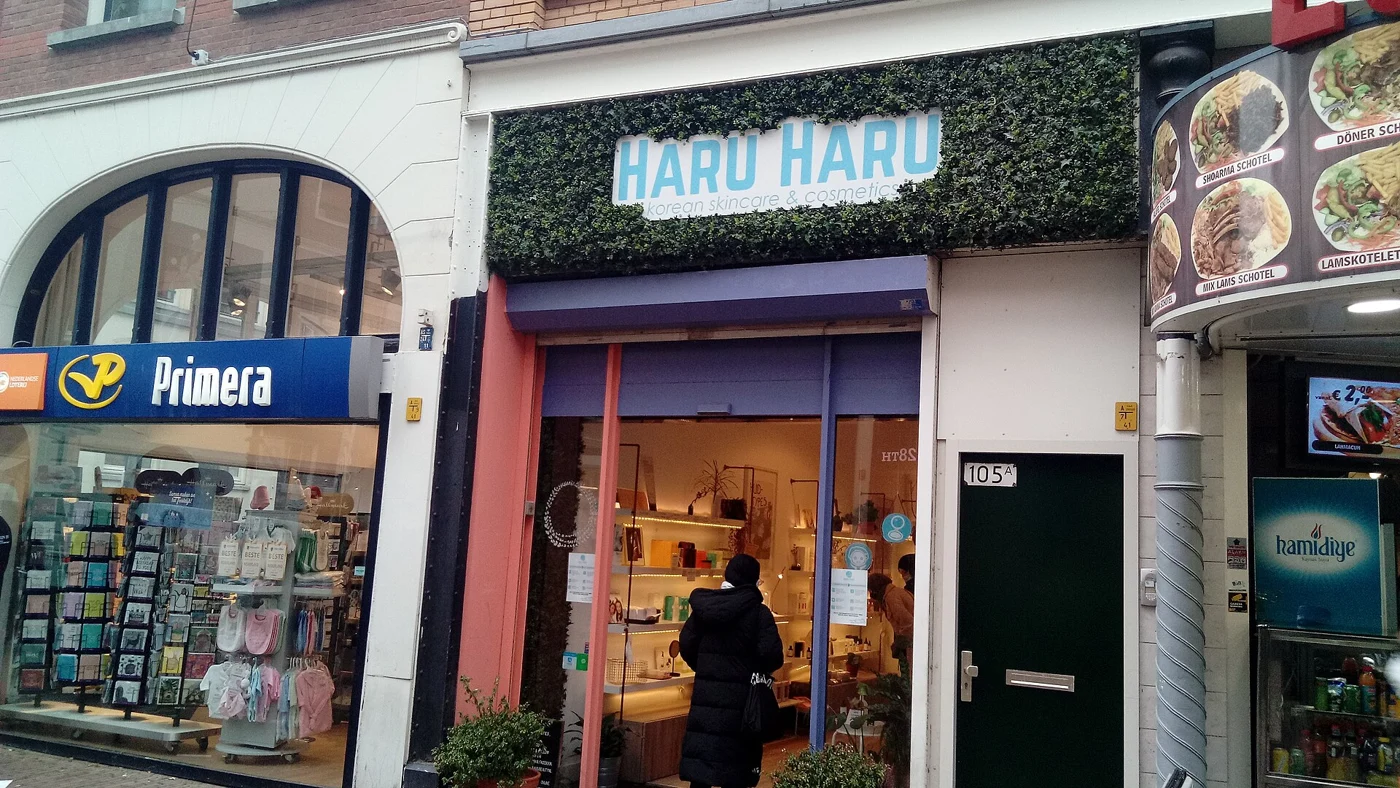
A 2025 Korean trade-ministry publication describes Silicon2’s StyleKorean and overseas MOIDA shops together.Sales routes A customer might see a product online, inspect its size in a shop, then reorder online. Becoming ordinary abroad includes acquiring more than one route back to the object.
There is no single order for the world’s bathrooms
Korea’s food and drug authority records cosmetics exports of USD11.4 billion for 2025.Official figure That is export value, rather than worldwide shop sales or personal satisfaction. Industry scale and the experience of replacing a refill tell stories at different magnifications.
Presenting K-beauty as a compulsory sequence of many steps obscures the objects themselves. A cushion and a sheet mask organise different actions. A bathroom with a few chosen products and a dressing table with many bottles need not follow the same schedule.
I find the rearrangement of small movements more interesting than a promise of an ever-longer routine. Its lasting value depends on compatible replacements, legible information and useful purchasing units as well as appealing launches. Opening a packet and dealing with its remaining material deserve attention together.
Today’s K culture includes this movement of objects into everyday life. Like hanbok, understood through shape and wearing, cosmetics can be read through sponges, grooves, sheets, warehouses and shelves. A country name can start the encounter. What remains in a bathroom is the particular object someone reaches for again.
Lasting convenience joins the way an object is used to the way its replacement is obtained.
Sources & scope
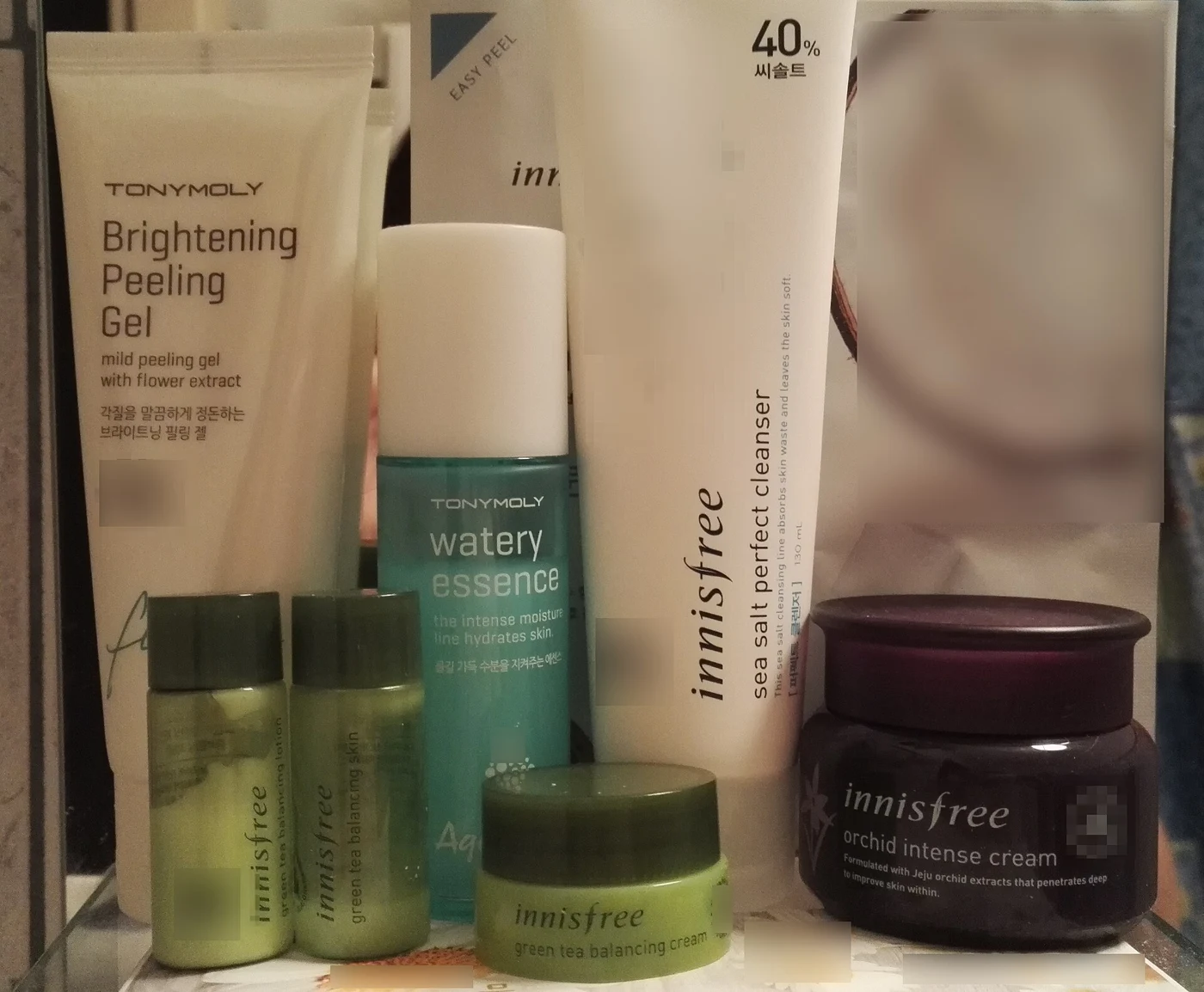
Cushion launch chronology ↗2015-01-21Cushion structure evolution ↗2016-11-23Refill instructions ↗2026-10-12 observedDior technology MOU ↗2015-06-17Manufacturing stages ↗2024 reporting periodUS warehouses ↗2026-10-12 observedOverseas sales routes ↗2025-11-072025 cosmetics exports ↗2026-05-28Korean cosmetics on a shelf, photographed on 15 December 2016.
Teemeah · CC BY-SA 4.0 · Resized and converted to WebP