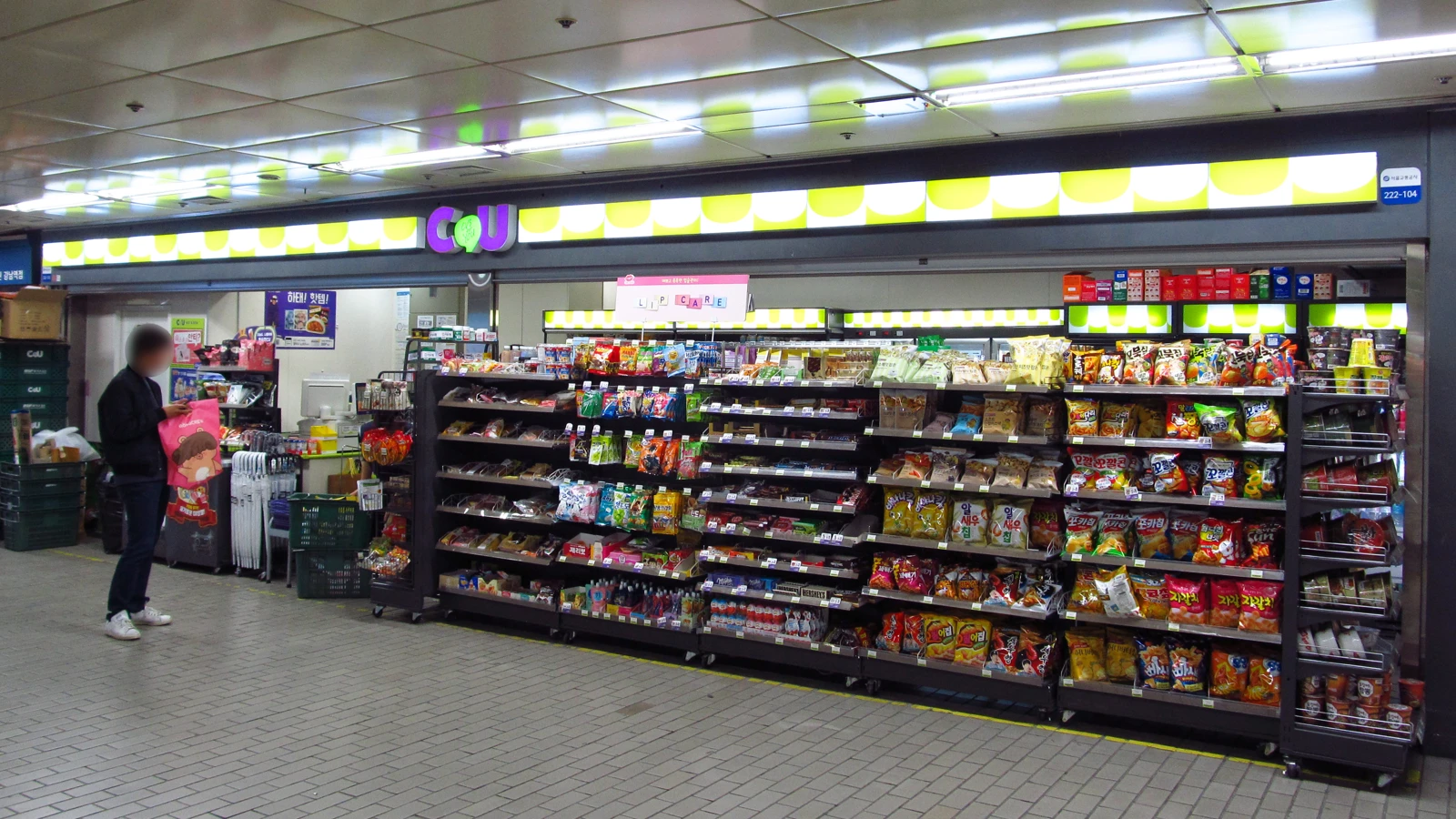
The distribution network grew with the shop
Choosing a lunch box, waiting beside a microwave and handing over a parcel can occupy only a few minutes in a Korean convenience store. Those minutes begin somewhere else: a food factory, a distribution centre, a checkout that reads dates and a terminal that prints addresses. The interesting part of the format is how these separate jobs converge at one small doorway.
BGF’s history of the business that became CU records the Garak Siyeong outlet in October 1990, a dedicated Seoul distribution centre in January 1992 and a lunch-box factory in October 2001. CU emerged as a brand in 2012, with the Olympic Plaza outlet recorded as its first store that August. A long-running retail operation and the beginning of its new sign therefore have different dates.
Putting refrigerators and shelves in more neighbourhoods is only part of expansion. Orders must connect to production; goods must be divided between destinations and loaded for delivery routes. One outlet may need ten lunch boxes while another sells more drinks. The organization has to handle many small orders repeatedly, rather than simply make one large purchase for one large shop.
A lunch box finishes several jobs together
BGF Foods describes manufacturing lunch boxes, rice balls, gimbap and sandwiches alongside distribution operations for ambient and chilled goods. A finished meal reaches the shop through a different arrangement from a home cook serving a dish immediately. Its sellable shape, transport conditions and remaining work for the customer all matter.
Imagine designing a lunch box. Cooking good rice does not solve a side dish that prevents the lid closing. Runny seasoning can soak the neighbouring compartment, while thick pieces may feel different after reheating. Portions, moisture and the dimensions of the container interact. Cooking and packaging design finish the same meal together.
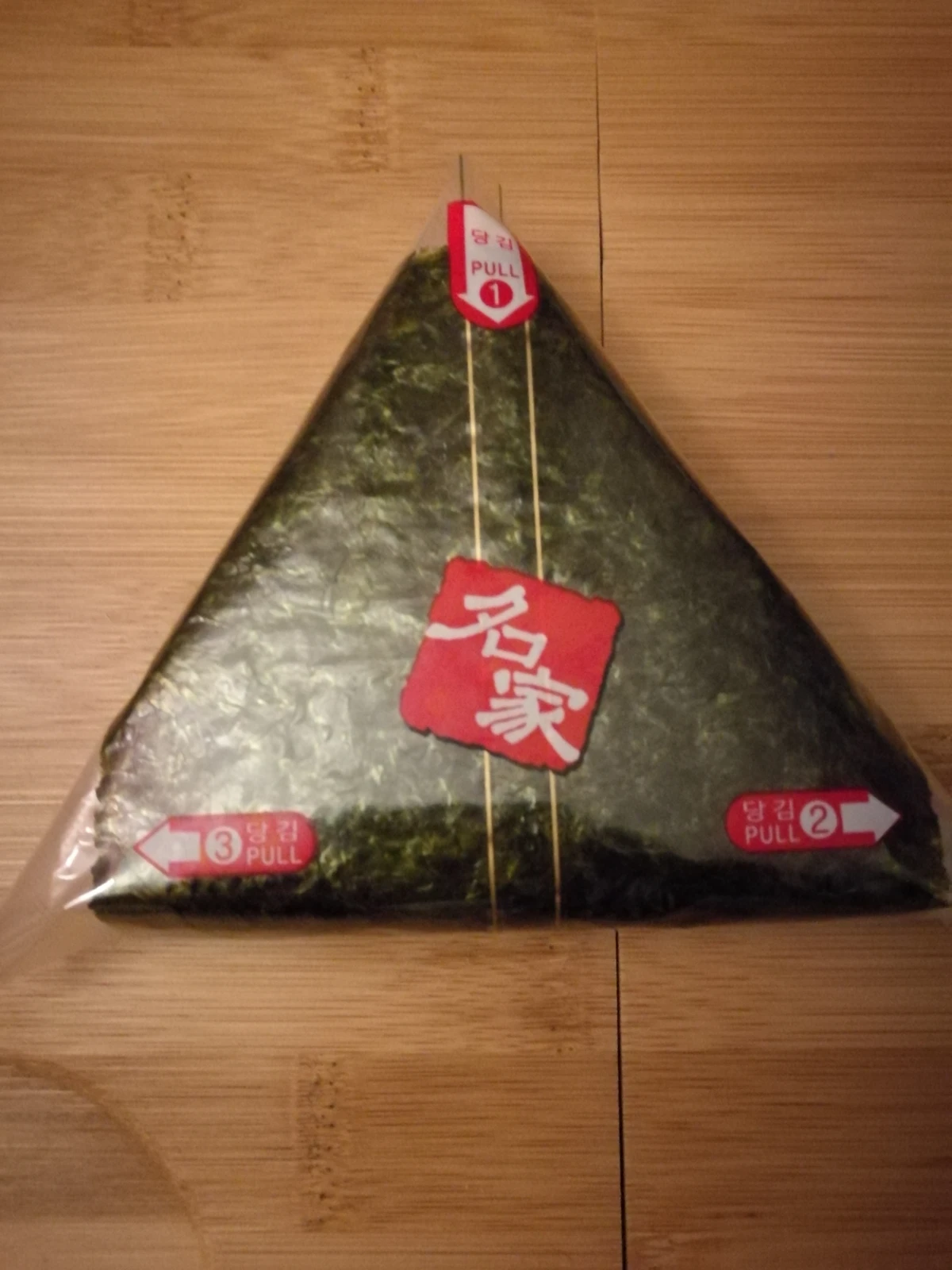
Gimbap presents another set of decisions. Rice and fillings form a long strip wrapped in seaweed. A sliced roll needs a stable cross-section; a triangular rice ball needs to hold its form as someone grips it and opens the wrapper. Ingredients alone do not explain the product. Even the sequence for removing a triangular gimbap’s film can become part of eating it.
In a sandwich, a visible filling must also stay between the bread. Moist ingredients affect its surface; slippery layers affect what happens when it is held. The customer completes a short final action—opening the pack or heating as labelled—while the product arrives carrying preparation already performed elsewhere.
Keeping food cold also means sorting it correctly
Dry snacks, chilled sandwiches and frozen goods require different environments. A chilled product must maintain its condition through storage, vehicles and the outlet’s refrigerator. The cold chain is that connected journey, rather than a single cold room.
BGF Retail’s 2023–2024 report describes monitoring chilled vehicles’ location and temperature at five-minute intervals. A delay on the road also moves unloading and display work later. For food with limited selling time, the journey and the remaining time on the shelf belong to the same problem.
Inside a distribution centre, picking means collecting goods for an outgoing order. Several outlets may order identical gimbap, yet each requires its own quantity and destination. Recognizing the correct item is not enough if it enters the wrong store’s bundle.
A 2025 BGF Logis interview describes linking picking records to working-area video in a chilled centre. The purpose becomes clear when a different item reaches an outlet: staff need to locate where the order and the physical selection diverged. Selection, grouping and onward movement are different possible points of error. A small compartment in a shop refrigerator has already passed through several rounds of sorting.
A barcode reads time as well as price
Arrival leaves more work for the outlet. Staff check quantities, arrange chilled shelves and manage older stock alongside new deliveries. What the customer reaches first is partly a decision about the remaining selling window.
BGF’s timeline records TIME-PLU in 2007. The system blocks expired fresh food at checkout. A barcode that brings up the price also supports a time-based decision. Two packs can look like the same product to a shopper while belonging to different selling deadlines.
The device does not rearrange the shelf. Someone must remove expired stock, inspect mixed dates and leave space for the next delivery. Ordering also involves deciding how much of yesterday’s unsold quantity should influence tomorrow’s supply. A lunch box near an office and a drink bought late at night do not follow identical rhythms.
More varieties create choice but divide limited shelf space. An item nobody selects still takes receiving, display and checking work. Maintaining an apparently abundant small shop involves deciding what to order less often as well as what to introduce.
The parcel terminal gives a box transport information
GS Postbox lists six steps: acceptance, weighing, service, addresses, price confirmation and label printing. A physical package meets the information that will identify it along its route.
Consider sending a book. It needs packaging that prevents movement; the scale receives the finished box, not just the book. Transport includes the packaging’s weight too. After confirming the details, the printed label becomes the parcel’s identity for the next stages. A reservation made beforehand lets the customer retrieve stored information at the terminal.
Printing is followed by completing acceptance at the outlet and handing over the box. Collection, regional sorting and delivery continue outside the shop. The scale and printer prepare a package to enter the network; they do not perform its entire journey.
The change is in the customer’s route through the day. A packed item can be handed over while returning from ordinary shopping. Purchased goods leave with the customer; a deposited parcel heads towards somebody else. They pass through the same doorway in different directions.
A noodle shelf acquires a cooking stage
In 2024, Korea Tourism Organization featured a barcode-activated noodle cooker at CU in Hongdae. Buying a packet becomes preparing a bowl nearby. The vessel, noodles, seasoning and machine connect a sales area to a cooking area.
A cup noodle’s packaging doubles as its vessel, while a packet needs somewhere else to hold the food. Adding hot water and waiting also differs from applying heat to cook noodles. The machine performs the intermediate work that turns a sealed packet into a bowl of food.
A concentrated noodle display gives customers time to compare soup noodles, mixed noodles, thickness and separate sauce packets. Grabbing a familiar item and choosing an unfamiliar one to cook are different visits. The latter includes the preparation process in the experience. The dated specialty outlet is one arrangement, while ordinary neighbourhood branches differ in equipment and space.
Convenience moves preparation into a short visit
A lunch box carries kitchen work inside its packaging; a microwave relocates the last preparation stage. A parcel terminal joins acceptance to the shopping route. A barcode connects price and date information to checkout decisions. The format layers these different times into one brief stop.
I find the small objects more revealing than the claim that one room can do everything. A gimbap and a shipping label are modest in size, but each touches a different movement network. Their meeting depends on people assembling food, sorting cold goods and checking arrivals. Useful proximity lasts when those encounters become accurate and easy, not merely when the shelf gains another novelty.
Read more about rice and seaweed becoming a portable structure in gimbap, and about successive visits to the same room in a convenience-store day.
I find the small objects more revealing than the claim that one room can do everything. A gimbap and a shipping label are modest in size, but each touches a different movement network. Their meeting depends on people assembling food, sorting cold goods and checking arrivals. Useful proximity lasts when those encounters become accurate and easy, not merely when the shelf gains another novelty.
Sources & scope
BGF business timeline ↗BGF Foods production and distribution ↗BGF Retail 2023–2024 report: food and logistics ↗GS Postbox domestic-parcel instructions ↗The 2024 Hongdae CU Ramyun Library guide ↗2024-05-10BGF Logis workplace interview, 2025 ↗2025-12-19CU Seoul-metro-Gangnam-yeok branch, 21 November 2018. Photograph by LERK.
LERK · CC BY-SA 4.0 · Resized and converted to WebP; no croppingUpdates & corrections
Dates record changes to this document, separately from the reference dates of its sources.
- Content update
Rewrote the article with fuller production, history, examples and source explanations.
- First published
Created Korean and English documents from verified sources.