The work behind a plate of Hanwoo
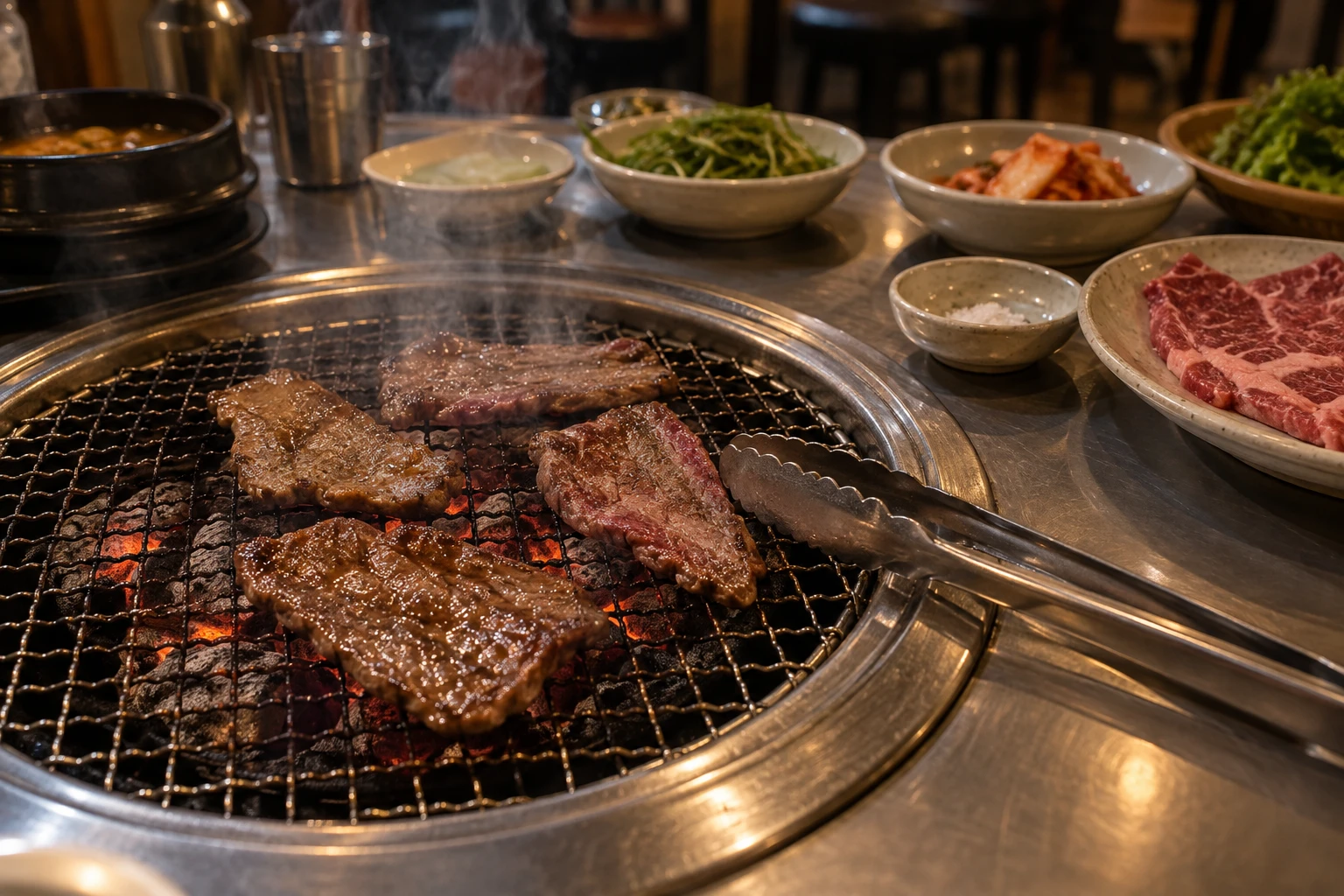
On a grill, a slice of ribeye releases fat as its surface cooks. In a pot, brisket supplies both sliced meat and broth. Both may be Hanwoo, yet they arrive at the table through different preparations. Before either comes the farmer recording a calf’s parentage, the breeding programme selecting bulls, the grading of a carcass and the butcher separating muscles. A beautifully marbled steak is one destination in this larger story.
Hanwoo names Korea’s indigenous cattle and the beef obtained from them. A label combining Hanwoo, a cut and a quality grade compresses several stages into a line. The cook then decides whether to slice that meat thinly for bulgogi or leave it thicker for the grill. Direction of cutting, thickness, moisture and heat all help shape the bite. These are tangible parts of the ingredient’s identity, alongside the animal that produced it.
From pulling implements to selecting the next generation
In farming, cattle pulled ploughs and harrows and carried loads. Their strength helped turn soil and move harvested crops and equipment. Feeding an animal, keeping it fit for work and producing another calf belonged to the same household’s agricultural labour. Modern Hanwoo breeding, focused on meat production, developed within the changing uses of cattle.
The National Institute of Animal Science describes a chain of pedigree registration, planned mating, performance testing, genetic evaluation and semen distribution. Knowing a calf’s parents allows breeders to track inheritance and consider relatedness when arranging matings. Growth measurements are gathered and analysed: the weight seen on a scale includes the effects of feeding and conditions as well as inherited potential.
A performance test examines the prospective breeding animal itself. A progeny test examines the results appearing in its offspring. Carcass traits in those offspring help evaluate a living sire whose own body remains available for breeding. Selected semen can then be used for artificial insemination on different farms, connecting the results to another generation of calves. Hanwoo’s contemporary body is made through repeated selection and daily husbandry, rather than preserved unchanged by an old name.
Cattle beyond the familiar brown coat
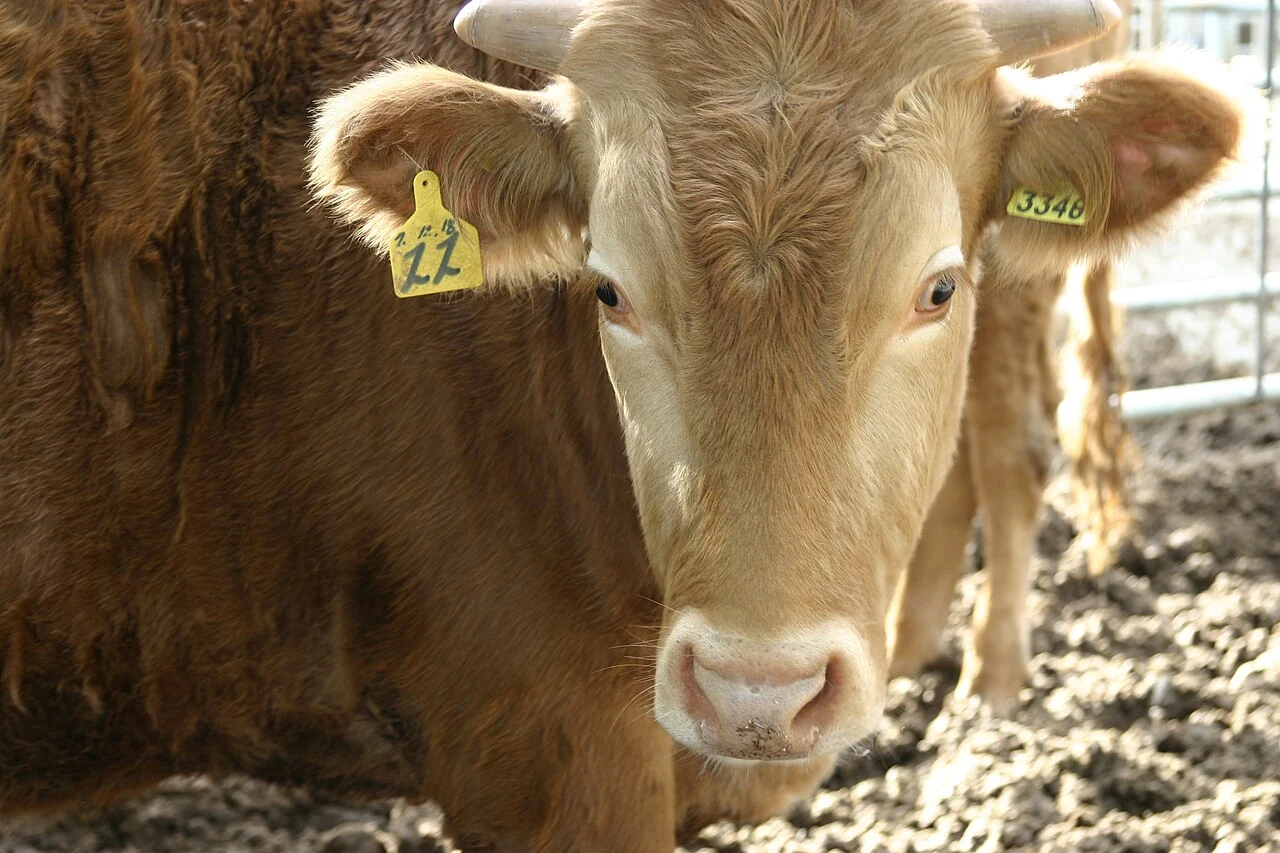
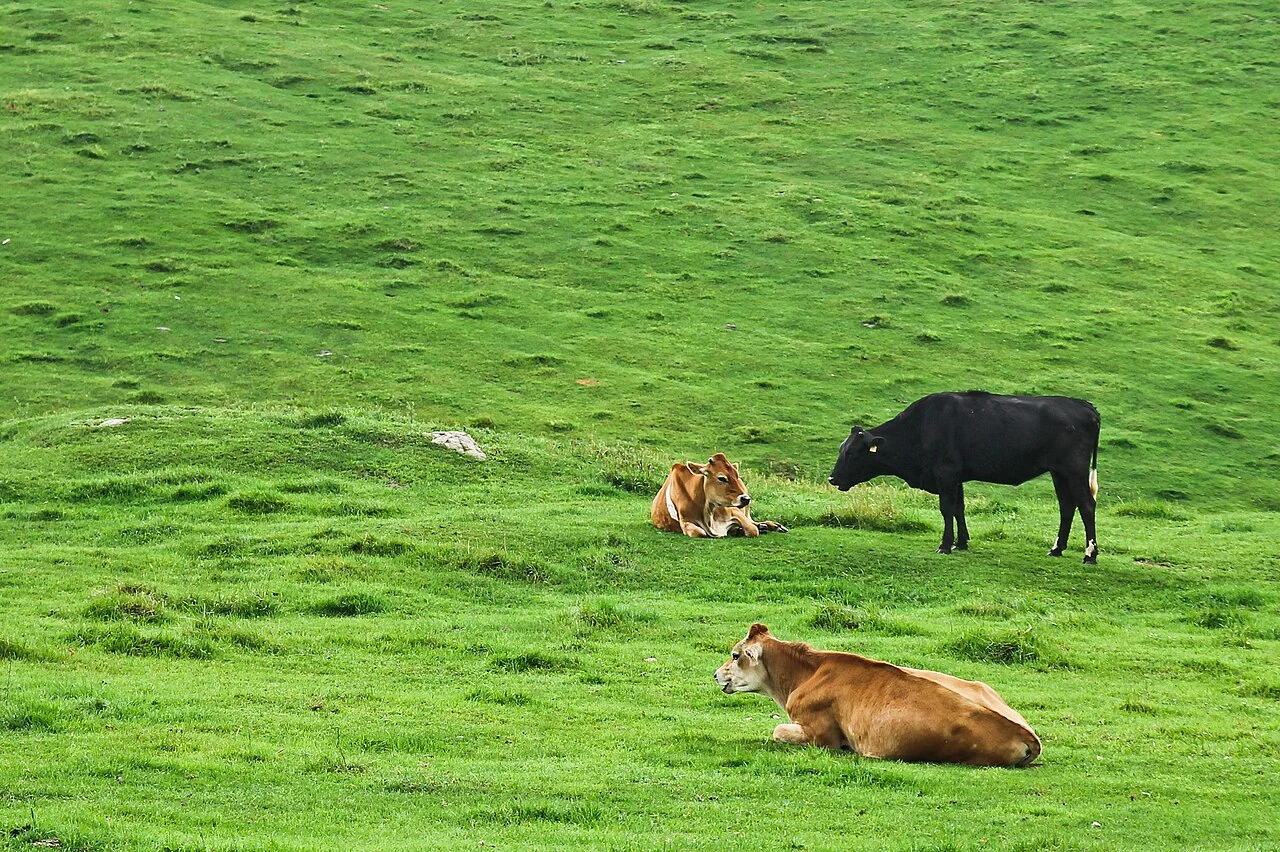
The yellow-brown animal familiar from Hanwoo photographs sits within a broader indigenous population. A Rural Development Administration account published in 2022 also described black, white, brindled and Jeju black cattle. Brindled cattle have dark stripes against a brownish background; white cattle in this account have albinism. Mainland black cattle and Jeju black cattle are treated separately.
Maintaining a rare lineage involves different priorities from expanding the output of a common commercial population. Conservation keeps scarce animals reproducing and retains genetic variety; production selection follows performance and the improvement of subsequent generations. Both require animals to be managed over time. Behind the familiar retail image are cattle less likely to appear on a restaurant advertisement, and the people keeping their lines alive.
What a carcass grader measures
A carcass is the body remaining after removal of parts including the head, hide and internal organs. Further work removes bone and separates meat into cuts. Live weight, carcass weight and the weight of trimmed meat describe successive stages in that work.
Korea’s grading system distinguishes meat quality from yield. The Korea Institute for Animal Products Quality Evaluation lists intramuscular fat, meat colour, fat colour, texture and maturity as quality criteria. A preliminary assessment based on marbling is combined with the other observations. Its quality designations include 1++, 1+, 1, 2, 3 and an out-of-grade category. The visible fat pattern is important, but the inspection also examines the condition of the muscle and fat.
Yield assessment uses back-fat thickness, ribeye area and carcass weight in a calculation, producing A, B or C. Those measurements address how much meat a carcass is expected to provide. A combined label therefore carries information useful in trading the carcass and its meat. At the stove, the particular muscle and its preparation become equally immediate. A very thin piece of ribeye and a substantial piece of shank cannot be handled successfully as though they needed identical heat and time.
Why different muscles need different cooking
Muscles perform different jobs within the animal. Their connective tissue and fat distribution vary with location and activity. Breaking down the body therefore establishes more than the size of a saleable package: it helps establish how a cook can use moisture and heat.
For a grilled steak, surface moisture can be removed and pieces cut to a consistent thickness. Packing many pieces closely into a pan makes it easier for released liquid to collect; cooking in smaller batches leaves space for evaporation and contact with the hot surface. Heat reaches the centre of a thin slice quickly. Holding it on the pan as long as a thick piece can dry it out, so a change in cutting changes the cooking sequence.
Brisket and shank find another role in soups and long, moist preparations. Meat can be cooked as a larger piece, lifted out and sliced, leaving broth for the bowl. Cutting across the visible grain shortens the fibres in a mouthful. A connective-tissue-rich muscle such as shank benefits from time in moist heat, while flavour moves into the surrounding liquid. The quick grill and the patient pot turn different parts of one animal into different pleasures.
Bulgogi begins with slicing; jangjorim continues after cooking
Thin slicing helps make bulgogi manageable in a bite and increases the surface touched by seasoning. Soy sauce, sweetness, garlic and spring onion form a familiar seasoning base. As meat cooks, liquid from vegetables joins it. Separating the slices prevents an overlapping mass from hiding uncooked surfaces. The same breed can become thick grilled pieces or small, seasoned folds of meat, with different work at the cutting board and pan.
For jangjorim, a piece of meat is cooked and seasoned in a soy-based liquid, then sliced or pulled into portions. Managing tenderness and the concentration of the seasoning as separate concerns helps a cook control the final liquid. A batch becomes a side dish served in modest quantities beside rice. Soup meat, thin bulgogi and small strands of braised beef give the animal different places within a meal.
What refrigerated ageing changes
Ageing is different from soaking meat in a marinade. Enzymes already present in meat act on proteins over time and can change tenderness. Refrigerated ageing uses controlled temperature and packaging to manage this process. It should not be reproduced simply by leaving an opened package in a domestic fridge for longer: storage instructions, the stated shelf life and conditions after opening still matter.
Colour also changes with oxygen. Beef in a vacuum package can appear dark red; exposure to air changes the interaction between oxygen and myoglobin. Colour alone cannot settle the overall condition of a piece of meat. Farming, chilled distribution, packaging and cooking all contribute to what finally reaches the mouth.
Meeting the whole animal through several dishes
To me, the most generous appreciation of Hanwoo enjoys a good steak while making room for the rest of the animal. Brisket makes soup, shank becomes a substantial bite after patient cooking, thin slices become bulgogi, and braised beef can furnish another meal. These dishes are actual uses of the body, rather than decorative accompaniments to a premium image.
The story of Hanwoo and expectations of flavour follows how production reaches the table’s imagination. The fermentation of jang continues towards the soy sauce seasoning bulgogi and braised beef. The time invested on a farm extends through the grill, the soup pot and tomorrow’s side dish. Finding a preparation suited to each cut leaves Hanwoo with a wider, more useful culinary life.
Breeding records, carcass assessment and the preparation of different muscles connect farming to several dishes.
Sources & scope
Cattle in agricultural work and transport ↗Pedigrees, planned mating and sire selection ↗Indigenous cattle coats and conservation ↗2022-11-01Beef quality and yield assessment ↗Beef cuts and refrigerated ageing ↗Modules independently explains the verified sources. The lead image is AI-generated for illustration; it is not a documentary photograph of an actual place, event or product.
Updates & corrections
Dates record changes to this document, separately from the reference dates of its sources.
- Content update
Rewrote the article with fuller production, history, examples and source explanations.
- First published
Created Korean and English documents using verified official sources.