EXPLORE / K-TODAY
K Today
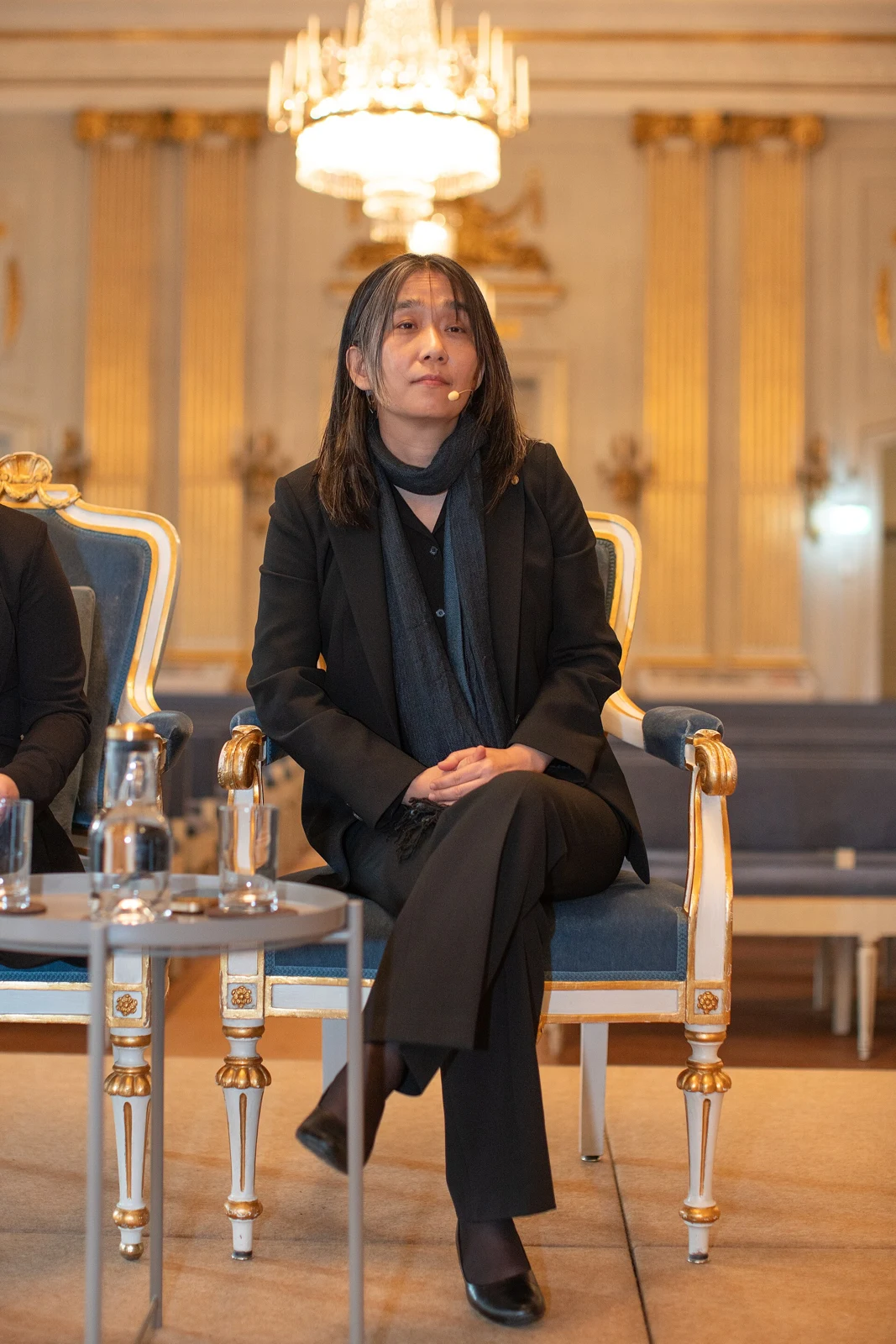
How Korean literature becomes a book in another language
Follow Han Kang, Bora Chung and Hwang Sok-yong through their translators, shared revisions, publishing samples and the work between manuscript and book.
↗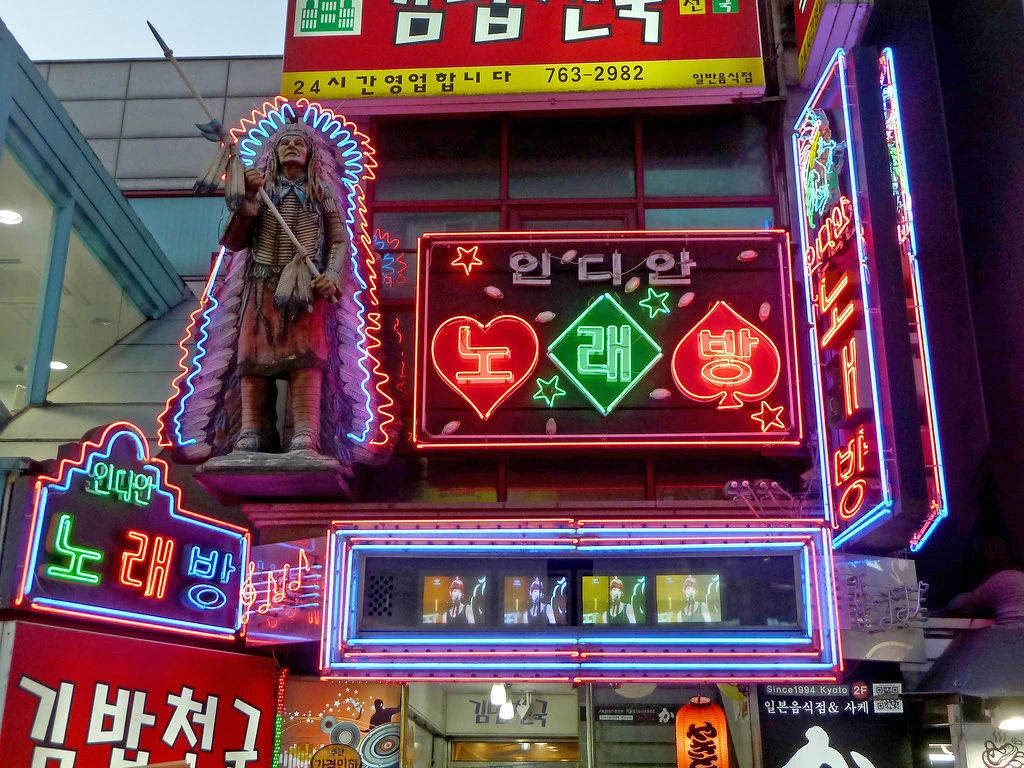
How a noraebang turns a recorded song into your voice
Inside a Korean singing room, song selection, queues and key controls meet the less visible work of making accompaniments and maintaining a repertoire.
↗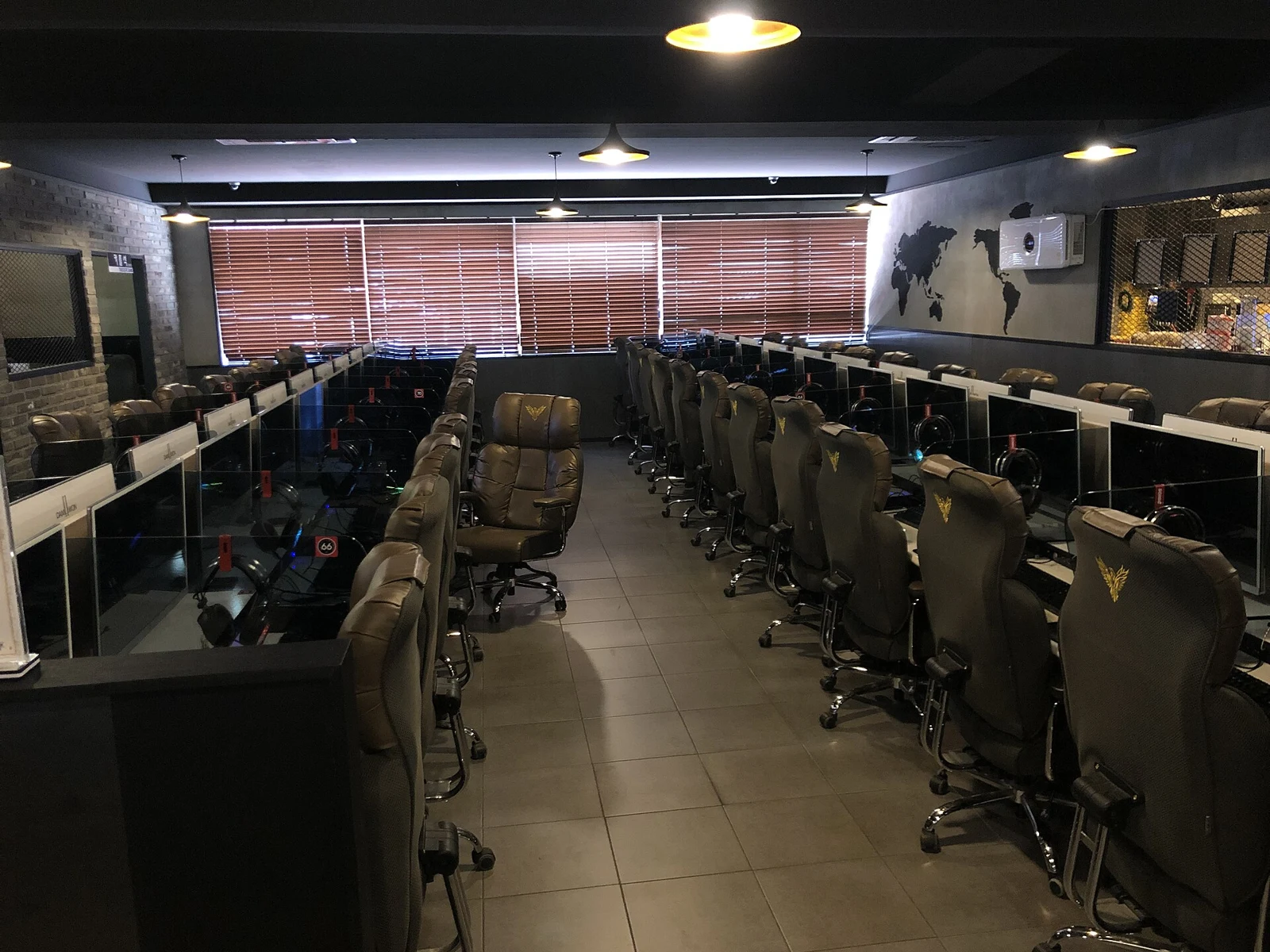
How a game in a Korean PC bang became an arena event
From broadband and StarCraft to television leagues, professional teams and LoL Park, trace the work that turned repeated play into a spectator culture.
↗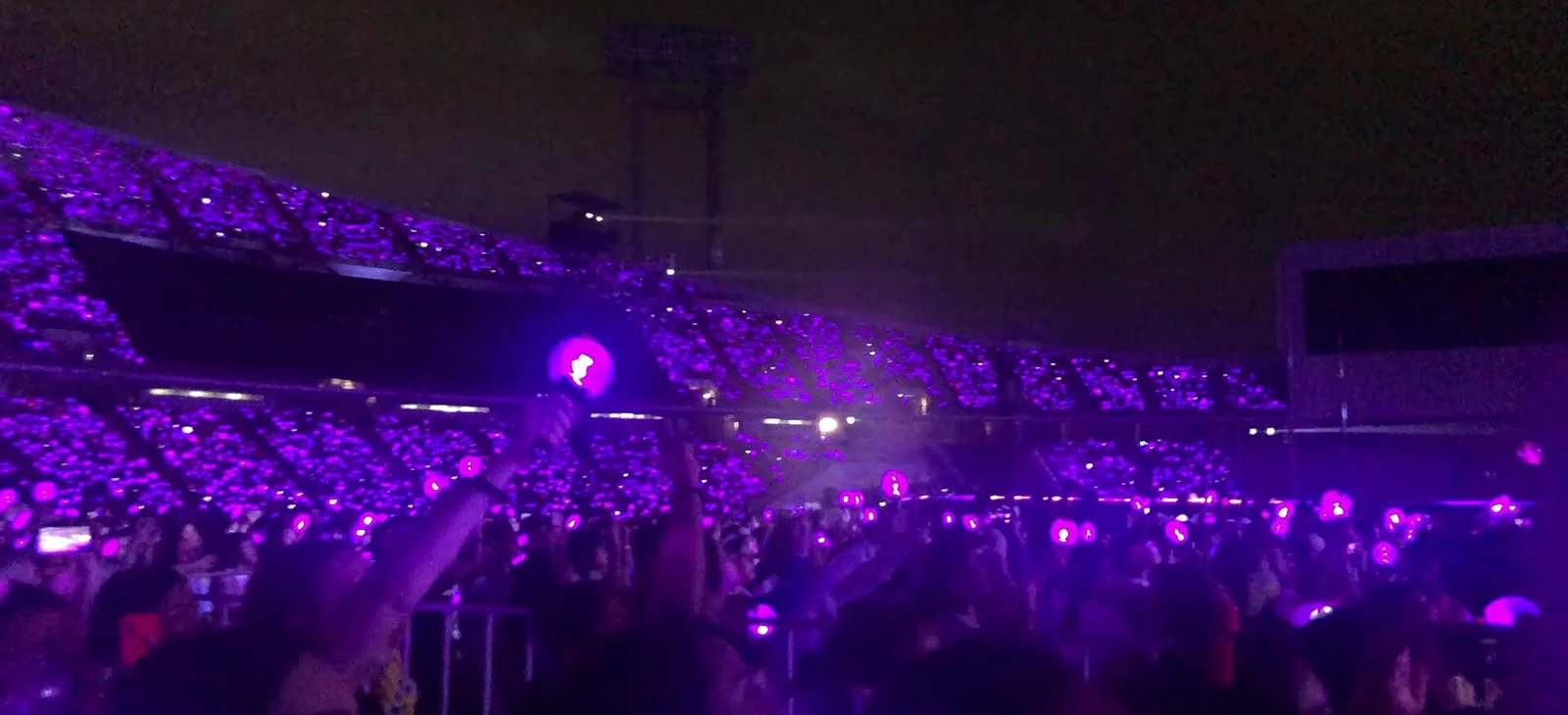
How K-pop light sticks made the audience part of the show
BTS and SEVENTEEN notices reveal how design, seat pairing, support booths and fan chants connect a handheld object with a live performance.
↗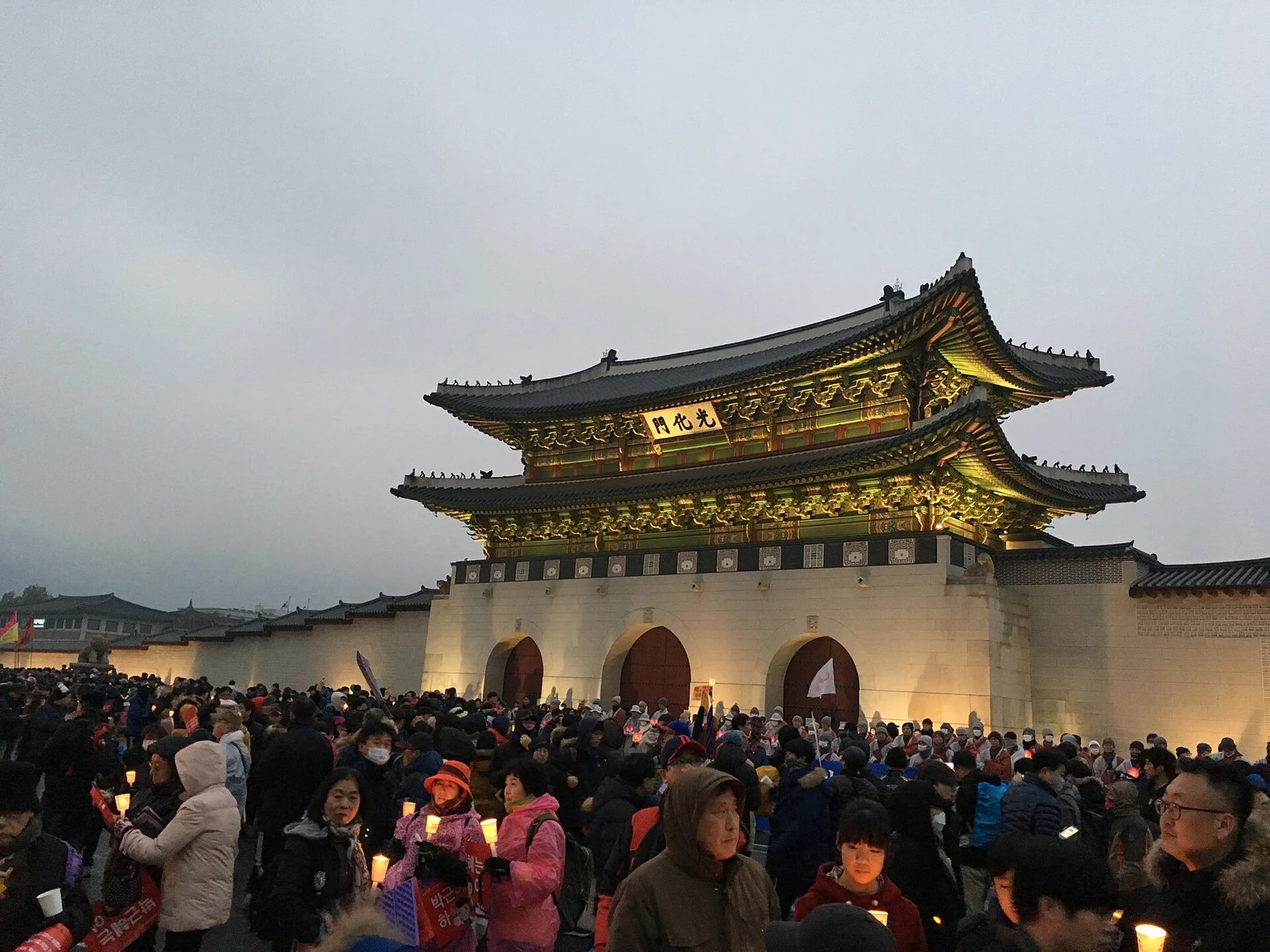
Why South Korean democracy keeps returning to the streets
From election fraud and police torture to the 2024 martial-law declaration, the Kisses protesters and a court attack: follow what happened, how people responded, and the judicial decisions that followed.
↗
How Korean cosmetics found a place in everyday life abroad
Cushion sponges and refills, folded mask packets and overseas stock: the material journey behind K-beauty.
↗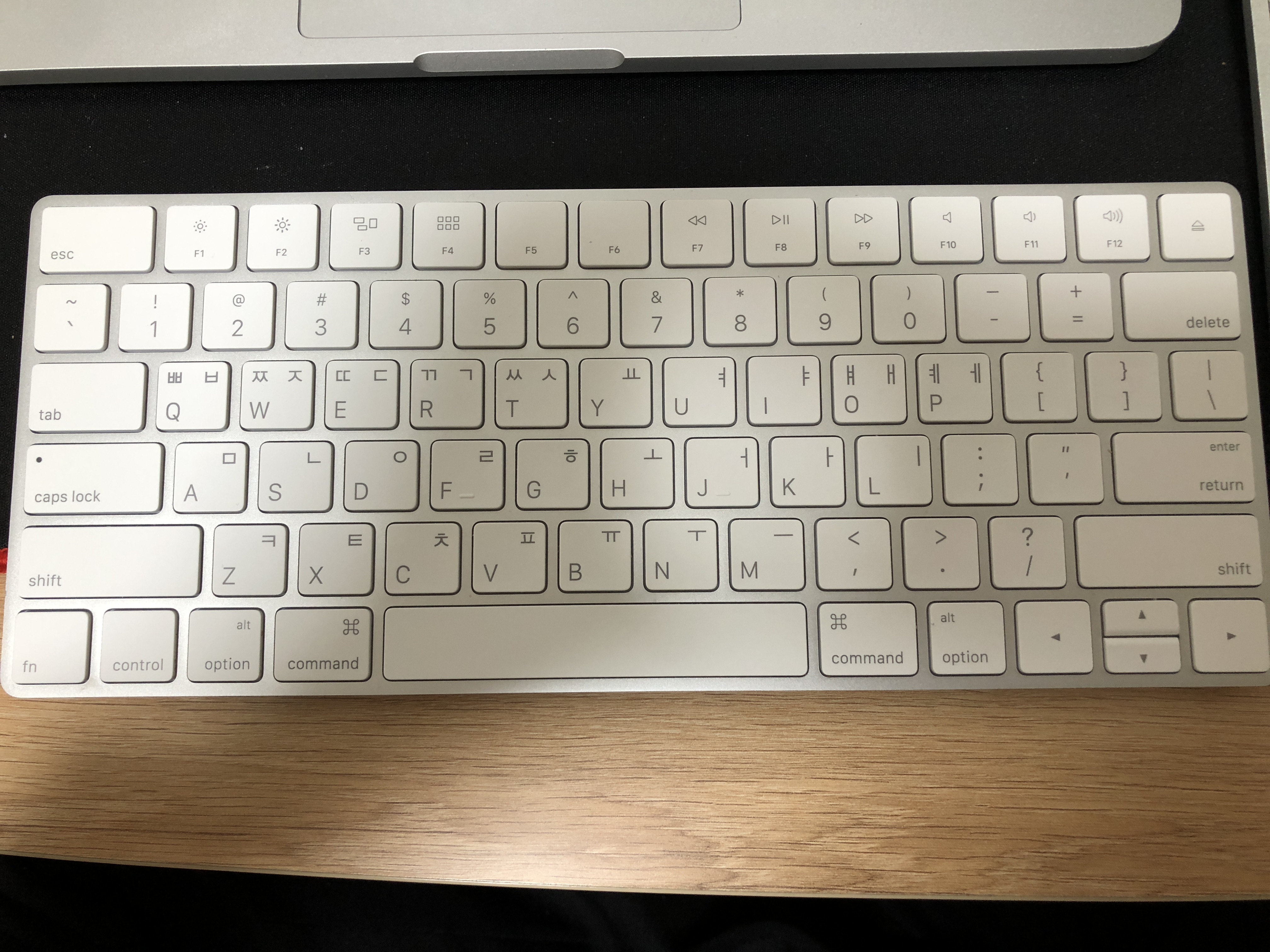
How Hangul travelled from letters to the world’s screens
An explanatory volume, newspaper machinery, spelling meetings and character data: the practical work that delivers writing to another reader.
↗
The story stopped turning pages and began flowing down
From early online comics and episode production to a new character in Sweet Home and the sound work of Moving: how one story is made again.
↗
K-culture has more than one doorway.
A TWICE recording, a translated book, vertical comics, NANTA, noodles and a compact: follow the work behind six entrances.
↗
What makes a cultural work feel Korean?
From Bukchon walls to a painted tiger and multilingual dialogue, KPop Demon Hunters and Pachinko show familiar materials beginning another life.
↗
Popularity does not mean everyone feels the same.
Readers in Catania, a Japanese Misaeng jury, Han Kang and a London exhibition reveal responses more particular than a single approval score.
↗